FoodBear
Nourishing the next generation.
Healthy eating during childhood (5-6 y/o) lays the foundation for lifelong well-being, preventing unhealthy weight gain and reducing the risk of chronic diseases later in life. Yet, many children do not meet national dietary guidelines, highlighting the need for effective interventions that engage both children and their families.
FoodBear is envisioned as an innovative tool to measure dietary behavior in children aged 5-6 while providing personalized feedback to foster healthy eating habits. The challenge lies in not only tracking food intake but also ensuring that the tool reaches and benefits the most vulnerable children, motivating parents to adopt it at home, and involving relevant stakeholders to support its implementation.
Key questions guiding this project include: To what extent can FoodBear support Dutch children in learning about healthy eating? How can it reach children who would benefit most? What is needed to ensure parental adoption? Who else should be involved, and how can the project be financed?
By addressing these questions, FoodBear aims to nourish the next generation empowering children, educating families, and fostering healthier food habits from an early age.
Role/ UX/ UI Designer
Duration/ 2023, 2 Months
01 . Problem
In the Netherlands, Only 5% of the children meet recommended guidelines for fruit and vegetable intake and 13% of children are obese.
On top of that, Dutch children have one of the highest levels of sugar intakes. This chard shows the recommended annual total sugar intake for different age groups. As can been seen, all age groups reach their annual total sugar intake before the end of the year. However, for children aged 4 -8, this already happens in the first half of the year and are therefore the first age group to reach their maximum amount of annual sugar intake.
If we zoom in further into this problem and split up a Dutch children age 4 to 18 in different socio-economic status, we can see that children from a lower socio-economic status.
02 . Target group
To have a clear overview of the target group, personas are made from children age 5 to 6 and their parents from a lower socio-economic status. Let me introduce you to Sanne en Mart the boer. A daily schedule of each character in the family is made and comprehensively detailed two target personas
03 . Painpoints
With the help of the created persona’s, in combination with third-person research, interviews, and user mapping, we identified the following pain points for the parents and their children.
04 . Product/ Service
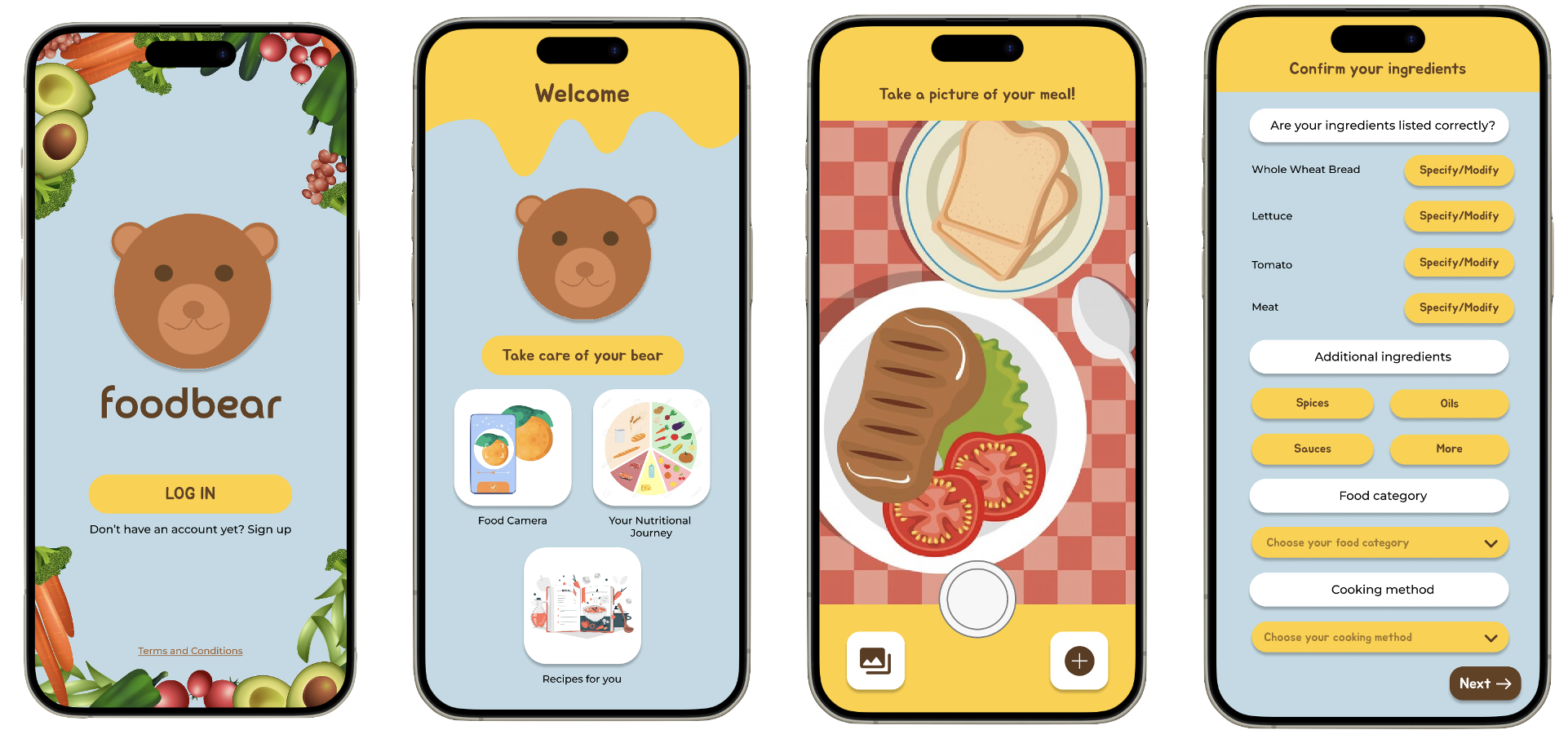
Step 1: After a meal, the parents snap a picture of the food. The app detects the content and nutrient groups by using AI image recognition since we know through the business perspectives model we that this has become a revolutionary trend in society and available widely on smartphones.
Step 2: To increase accuracy, the user will be able to modify/specify the different types of ingredients including oils, spice level etc. which adds to the personalization feature of this app
Step 3: Then it displays the meal in an exploded view, estimates its nutritional data and suggests healthier recipes with similar ingredients. It also displays the child’s nutritional journey,
Welcome to the FoodBear app, with the mission to nurture our future generation this app helps both children and parents to track and support healthier dietary behavior. Ideally, we want them to cooperate and use them together to increase the educational value.
The same meals get uploaded into the “fridge” and they can be fed to a virtual bear that the child will personalize in the beginning stages of the game. The emotions and energy level of the character would change based on the food given to the bear, providing child-friendly feedback. They can take care of the character, play simple games, and unlock new items as they continue to eat healthy, motivating both parties and further incentivizing the game.
As an optional feature to keep the game interesting, children can upload their updated character to an affordable keychain (Tamagotchi inspired) with a screen that displays the virtual character. They can carry it with them and share their bear status
Considering the vulnerability of the target group, we would ensure the game not to be addictive by keeping the interaction time short with the app and the keychain. Moreover, we will adhere to data protection laws, with data being stored locally, only accessible to the parents, and the app requiring explicit consent of the user.
5 . Marketing strategy
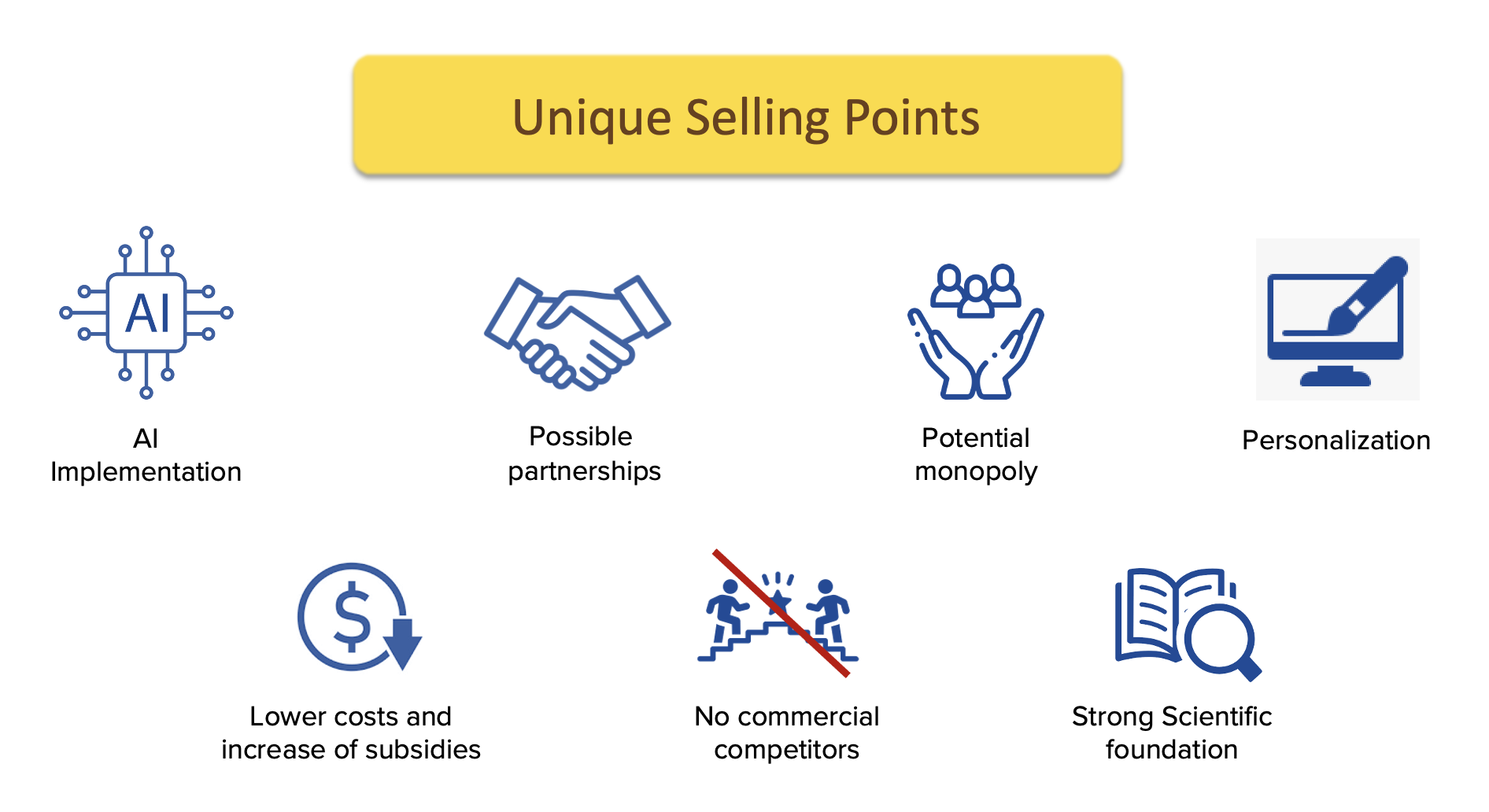
The proposed marketing strategy positions the Food Bear app and workshops as a scientifically grounded, child-centered solution to promote healthier eating habits among families. Unlike competitors such as Kurbo, which faced criticism for weight-focused tracking, Food Bear emphasizes playful, personalized nutritional feedback supported by a multidisciplinary team bridging nutrition, technology, and design.
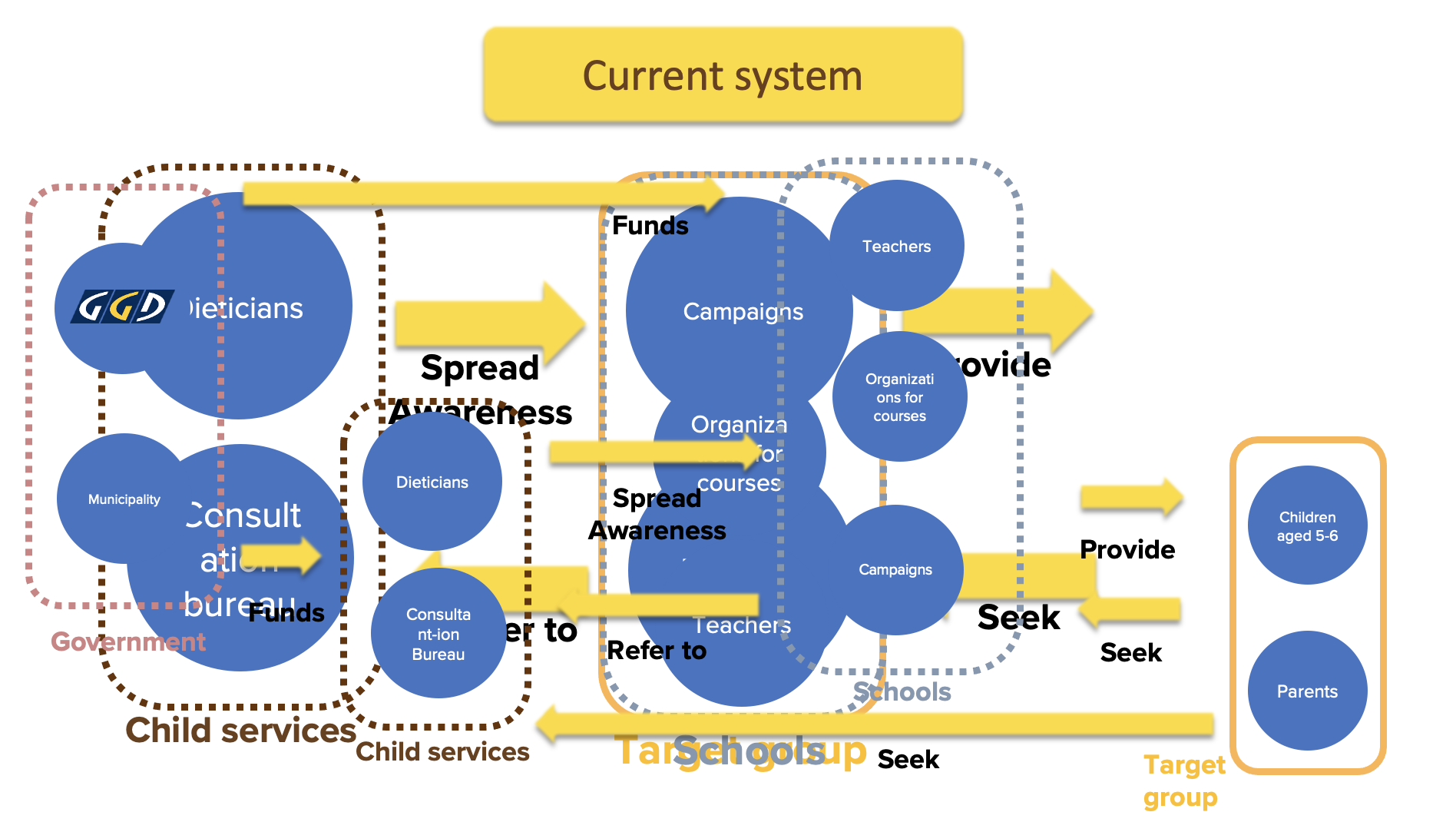
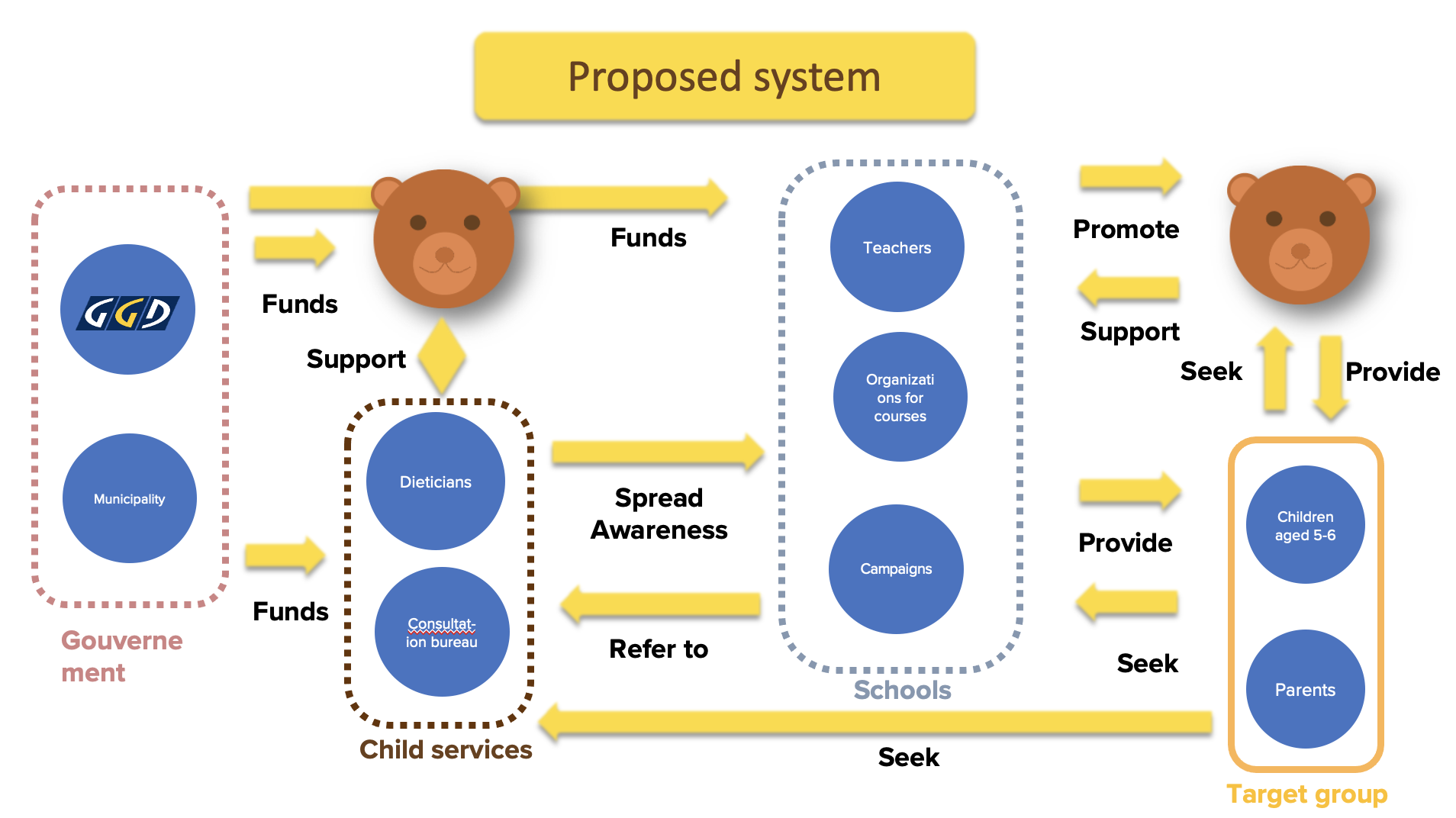
Consumer research with GGD shows strong interest in school-based workshops and potential for a digital platform, while partnerships with initiatives like Schoolfruit provide practical ways to engage children through tasting and experiencing healthy foods. Addressing challenges such as teacher workload and parent communication, the strategy aims to build a renowned, reliable brand that helps families especially those from lower socio-economic backgrounds adopt healthier lifestyles through accessible products and experiences.
06 . Evaluation
Usability and experience testing with some users provided valuable
insights into how FoodBear could be implemented underneath the target group while supporting and tracking dietary behavior. Further testing and development is needed to make it the market but this project confirmed potential en interest from companies in collaboration.
This project helped me gain User Interface, User experience and Visual design in combination with gaining the right knowledge and theory by implementing User Experience Research skills and methods.